
Mission Statement
Detroit A. Brooks Sr., Executive Producer
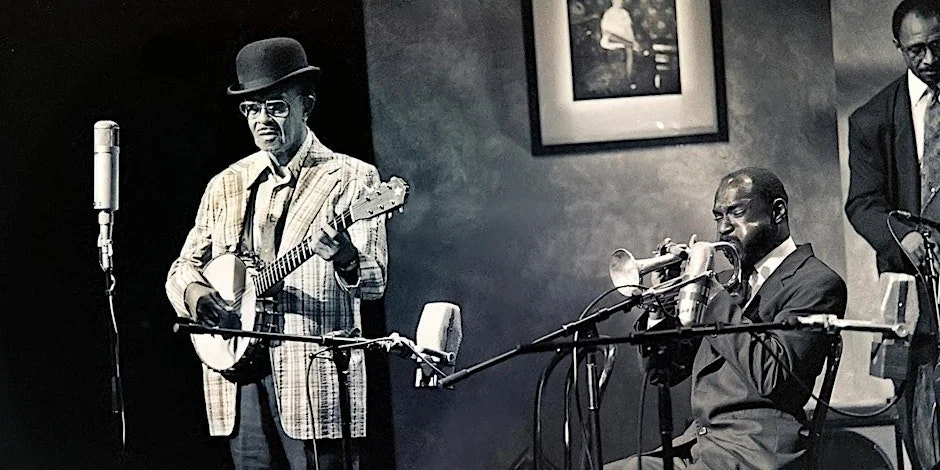
The Danny Barker Banjo and Guitar Festival was organized to preserve the importance of art, education and culture, which will erode in time, if not cherished and celebrated to evolve the youth of a new generation. We are also creating opportunities for musicians to have another work outlet, bringing music as a community outreach to senior citizens and also generating another resource of revenue for the economic development of our great city of New Orleans. It was Mr. Barker’s greatest wish that the Banjo and Guitar be the instruments of choice to carry the tradition forward.
One of the goals of the Danny Barker Banjo and Guitar Festival is to generate funds to develop and implement sustainable outreach to senior centers in the Greater New Orleans Area to reconnect our seniors to the style of music that many grew up loving. This was very important to Danny Barker and this festival is a vehicle to keep his dream alive. Most importantly, is the music and education component which explains the origin and development of the music over the years. By offering workshops, master classes and clinics, this is a “hands on” approach to instruction and education. The application of this music is endless and thought provoking.
About
The Danny Barker Banjo & Guitar Festival
The Danny Barker Banjo and Guitar Festival, held annually in New Orleans, commemorates the legacy of NEA Jazz Master Danny Barker. Barker, a renowned musician, educator, and author, had an indelible impact on the cultural fabric of New Orleans. The festival, which has been celebrated each year in March for over a decade, encapsulates the essence of New Orleans’ rich heritage, emphasizing the importance of the banjo and guitar in music history.
The festival’s operations involve collaboration with various local entities, including the New Orleans Jazz Museum, New Orleans Museum of Art, educational institutions, and music venues like Tipitina’s and Snug Harbor. Sponsors and partners play a vital role in funding and supporting the festival. Its diverse program schedule and accessible ticket pricing make it an inclusive event for a broad audience.
The Danny Barker Banjo and Guitar Festival not only celebrates the musical heritage of New Orleans but also actively contributes to its preservation and evolution. Its cultural and economic impact on the city is profound, making it a crucial event for sustaining the vibrant jazz culture for which New Orleans is renowned. The festival stands as a testament to Danny Barker’s enduring legacy and the unbreakable spirit of New Orleans’ musical community.
Danny’s Biography
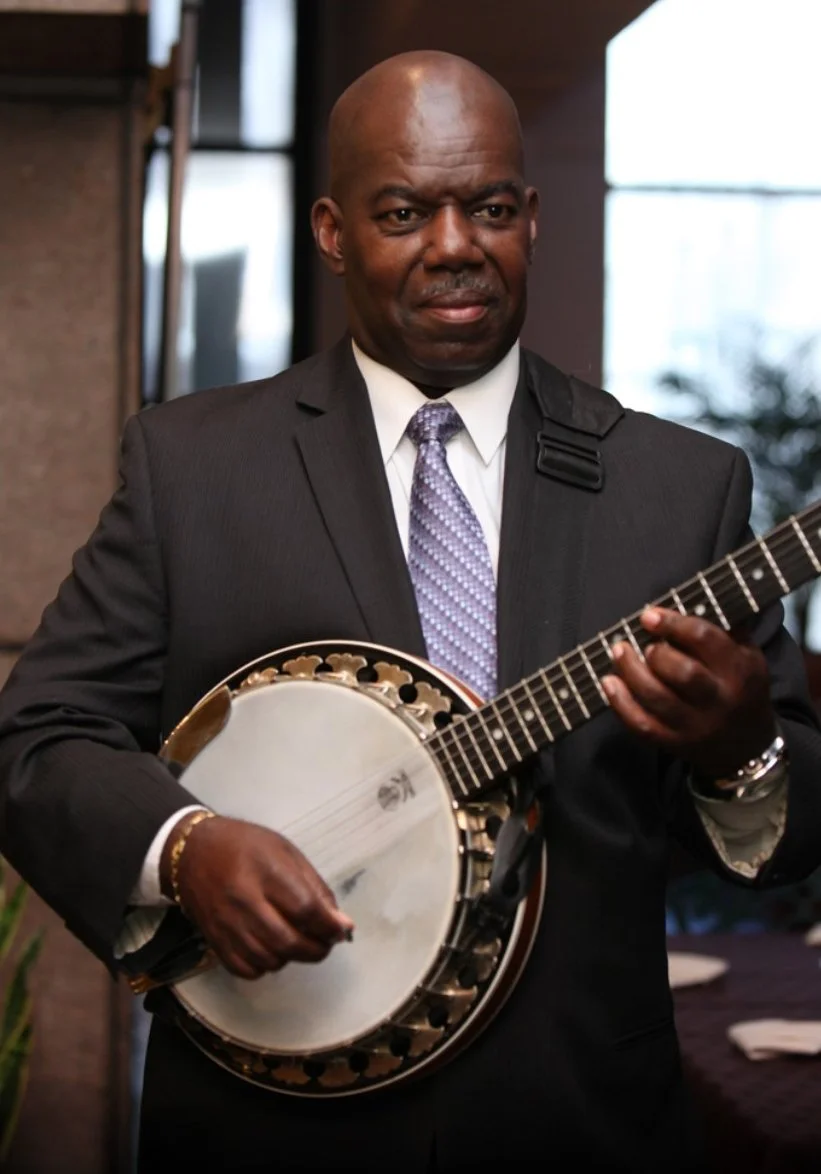
Danny Barker was born in 1909 in New Orleans into a deeply musical family. His grandfather, Isidore Barbarin, was a well-known bandleader, and his uncles Paul and Louis Barbarin were both accomplished drummers. Barker began his musical journey playing the clarinet and drums before switching to the ukulele—a gift from his aunt—and later to the banjo, which he learned from either his uncle or trumpeter Lee Collins.
As a young man, Barker formed his first group, the Boozan Kings, and toured Mississippi with pianist Little Brother Montgomery. In 1930, he moved to New York City and took up the guitar. On his first night in town, his uncle Paul brought him to the Rhythm Club, where Barker witnessed a thrilling performance by McKinney’s Cotton Pickers—their own debut in New York.
Barker quickly became part of the city’s vibrant jazz scene, performing with a range of artists including Fess Williams, Billy Fowler, and the White Brothers. Over the next decade, he worked with Buddy Harris (1933), Albert Nichols (1935), Lucky Millinder (1937–38), and Benny Carter (1938). From 1939 to 1946, Barker was a regular with Cab Calloway’s orchestra, later forming his own group with his wife, the blues singer Blue Lu Barker.
In the late 1940s, he reunited with Millinder and Bunk Johnson, and continued to perform with Albert Nichols into the 1950s. During that decade, Barker freelanced widely and collaborated once again with his uncle Paul Barbarin. He also traveled to California to record with Nichols. Musician Wynton Marsalis would later recall Barker as one of his most inspiring teachers.
By the early 1960s, Barker had formed a group called Cinderella and performed at major events like the 1960 Newport Jazz Festival with Eubie Blake and the 1964 World’s Fair, where he led his own band.
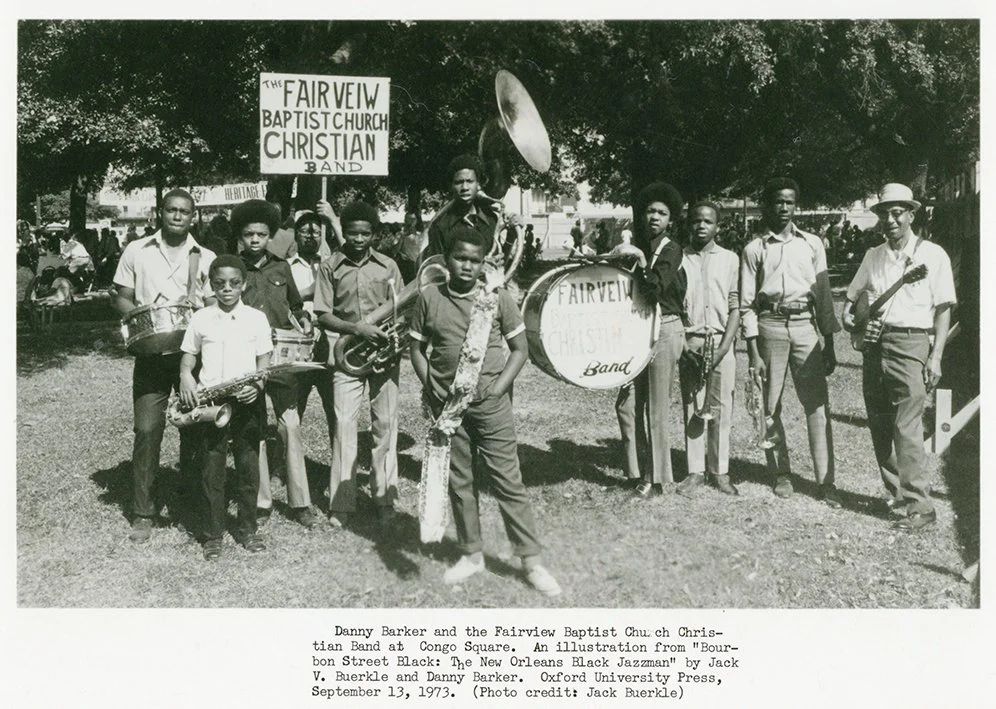
In 1965, Barker returned home to New Orleans, becoming assistant curator at the New Orleans Jazz Museum. In 1972, he founded the Fairview Baptist Church Marching Band—a youth brass band that would later evolve into the world-renowned Dirty Dozen Brass Band. This group launched the careers of several future jazz greats, including Wynton and Branford Marsalis, Leroy Jones, Kirk Joseph, Nicholas Payton, and Joe Torregano. As Torregano later reflected, “That group saved jazz for a generation in New Orleans.”
Barker continued performing regularly throughout the city from the late 1960s into the early 1990s, while also writing extensively about New Orleans jazz. He published two books with Oxford University Press: Bourbon Street Black (1973, coauthored with Dr. Jack V. Buerkle) and A Life in Jazz (1986). Beyond music, he was also a talented painter and landscape artist.
Despite facing racial barriers and chronic health challenges, including diabetes, Barker remained a dedicated musician and educator. In 1994, he served as King of Krewe du Vieux during Mardi Gras, a fitting honor in his hometown. Later that year, on March 13, 1994, Danny Barker passed away from cancer in New Orleans at the age of 85—leaving behind a profound legacy that continues to shape jazz today.
Contact us
Interested in working together? Fill out some info and we will be in touch shortly. We can’t wait to hear from you!